
Canada’s aquatic wildlife is confronted by numerous threats, including dam operations causing declines in endangered white sturgeon populations in British Columbia, toxic wastewater from tailing ponds affecting wood frogs in Alberta, and agricultural runoff along with zebra mussels disrupting the ecosystem of Lake Winnipeg in Manitoba.
Identifying which human actions most significantly endanger freshwater biodiversity as a whole is more complex.
“Freshwater wildlife populations are decreasing at a faster rate than both terrestrial and marine species, and wetlands are vanishing at a much quicker pace than forests,” stated Christophe Brabant, a PhD student at McGill University.
“While we have a clear understanding of the threats impacting freshwater species, the global distribution of these threats remains largely unknown.”
Brabant and his colleagues aimed to fill this knowledge gap with their recent research published in the journal Science, which delineates “the geography of threats” contributing to the loss of freshwater biodiversity worldwide.
The team analyzed documented threats to over 2,100 freshwater species listed on the “red list” by the International Union for Conservation of Nature (IUCN), which indicates that approximately a quarter of freshwater species face extinction risk. They categorized these species into five groups: amphibians, reptiles, fish, mammals, and odonates (dragonflies and damselflies).
Researchers developed a global visualization depicting the primary drivers behind species declines. The outcome is a color-coded map that illustrates the intensity of threats by region, along with an index linking specific threats to declines in freshwater species.
According to Brabant, “The mapping approach considers how various threats can differentially impact species rather than presuming that all species are uniformly affected.”
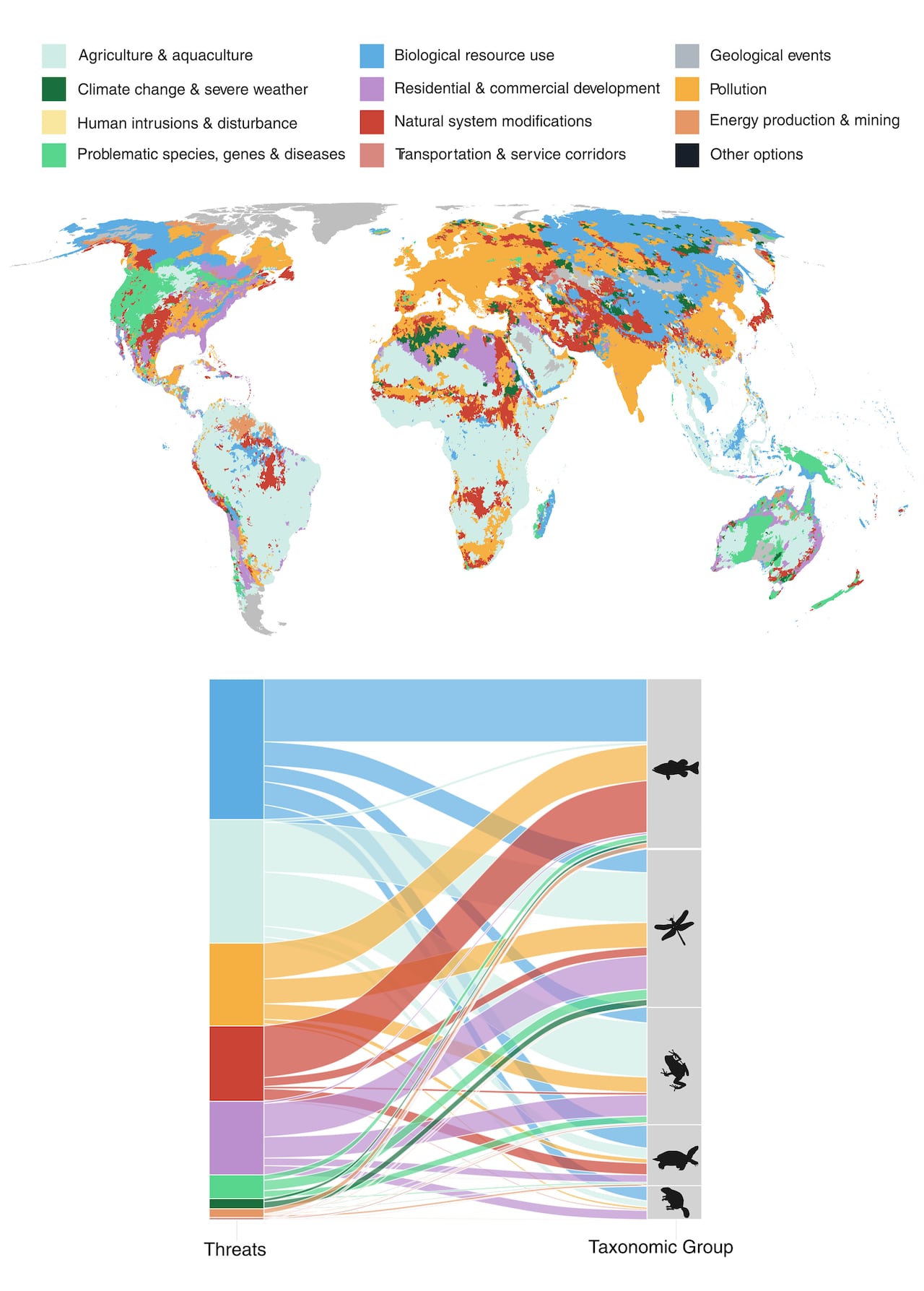
The map highlights the primary threat category in each subwatershed, revealing a patchwork of varying intensities affecting freshwater wildlife taxonomic groups globally. (Submitted by Christophe Brabant et al.)
In Canada, the foremost threats include modifications to natural systems such as dams and diversions, biological resource exploitation like hunting and fishing, agriculture, development, pollution, energy generation, and mining.
Globally, agriculture and aquaculture emerged as the primary threats, particularly in the Global South.
Pollution ranked second, with significant impacts noted in eastern China, India, and across Europe.
Biological resource exploitation came in third, primarily in northern regions, including Canada and areas of sub-Saharan Africa and Southeast Asia.
One key conclusion, according to Brabant, is that conservation cannot adopt a “one-size-fits-all” approach if it is to be effective.
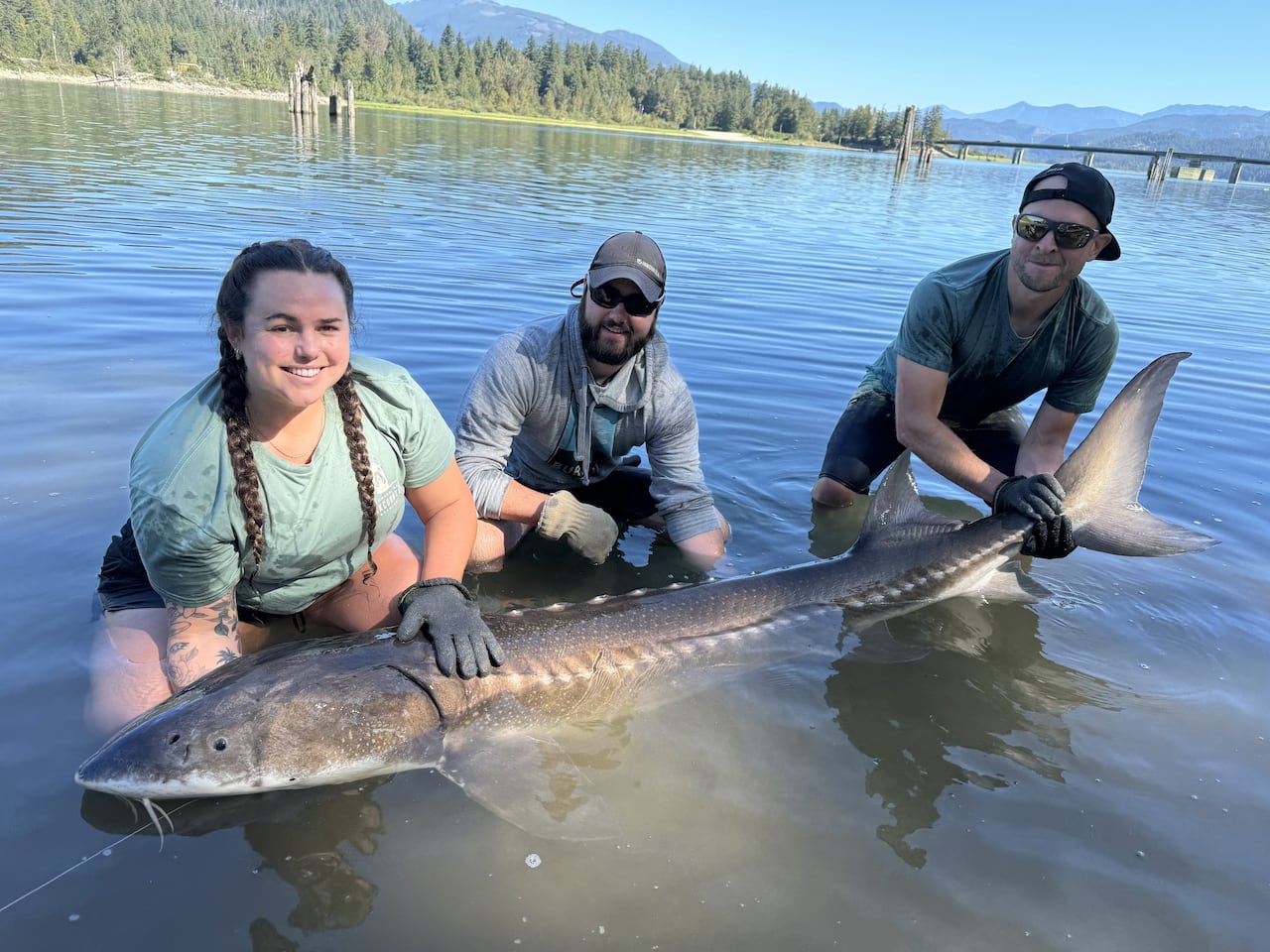
Dr. Madison Earhart holds a white sturgeon in British Columbia in 2024 as part of ongoing research into the threats faced by Canada’s largest freshwater fish. (submitted by Madison Earhart)
Brabant also highlighted a “significant accumulation of threats” in regions such as northwestern Africa and Europe, the lower Himalayas, and the Missouri River basin.
In areas where a high proportion of species are at risk of extinction, the study found that “most threats exhibited higher intensity.”
Climate Change
The map indicates that disease and invasive species are denoted by a green band stretching across several provinces near the Canada-U.S. border, both exacerbated by global warming.
According to the study, climate change is only recognized as a primary threat in limited regions around the globe and does not rank as the leading cause of declines in Canada.
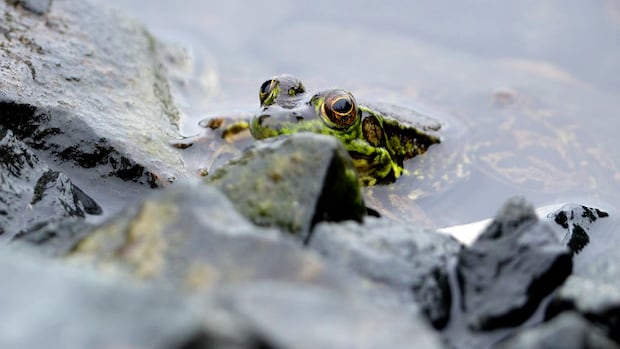
Brandon University researchers are searching Manitoba wetlands for frogs, toads, and salamanders, anticipating the discovery of signs of a fungal infection affecting amphibians worldwide.
This discrepancy might reflect the limitations of the IUCN red list criteria rather than indicating that climate change is a lesser threat, Brabant noted.
“It’s challenging to determine… that threat is not well-documented,” he explained.
An area where this has been documented extensively is a series of kettle lakes in northwestern Ontario known as the Experimental Lakes Area (ELA), managed by the International Institute for Sustainable Development (IISD). Since the 1960s, scientists there have been conducting experiments on actual lakes to better comprehend the effects of human activities on freshwater.
These lakes are isolated from other variables that complicate the assessment of climate change’s role in declines.
“We are just starting to grasp the impacts of climate change on various species in isolation,” remarked Mike Rennie, a research fellow at the ELA.
Last year, Rennie and his colleagues published findings based on decades of consistent data collection to evaluate water quality and the biodiversity of species in one of the “reference” lakes at the ELA that remained largely untouched.
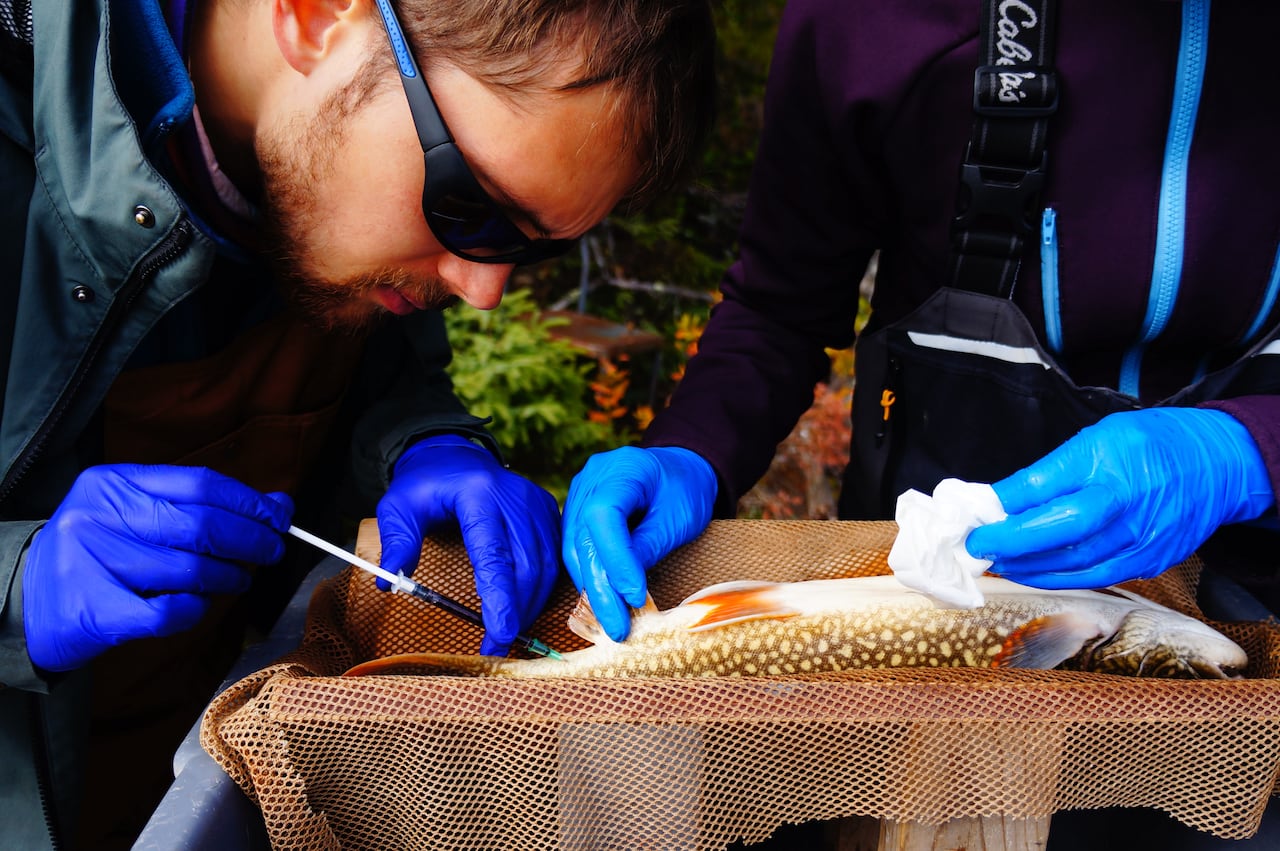
A scientist collects a blood sample from a lake trout as part of a long-term water quality and biodiversity monitoring program in one of the 58 kettle lakes that comprise the Experimental Lakes Area in northwestern Ontario. (Submitted by IISD Experimental Lakes Area)
Their research indicated that air temperatures in the region increased by approximately 2°C from 1986 to 2016, and the length of ice cover on the lake diminished by nearly three weeks. Concurrently, there was a “significant decrease” in the size of adult lake trout.
These cold-water fish that ascend from the depths to feed on minnows during the winter months now have reduced time and space for foraging near the shore.
“The only changes we observe concern ice cover,” noted Rennie, emphasizing that these alterations are “one of our best indicators of how climate warming is affecting these small lakes and the cold-water fish populations.”
The Noah’s Ark Problem
Frederik Noack, the Canada Research Chair in environmental economics, recognizes that limitations such as budgetary constraints and competing priorities create challenges in applying information from the threat map.
This often leads to debates over which criteria should guide conservation efforts to maximize their effectiveness.
“Merely knowing that there is a high intensity of threats facing endangered species does not necessarily direct conservation funding towards them,” explained Noack, who co-leads the Wildlife and Conservation Economics Laboratory at the University of British Columbia.
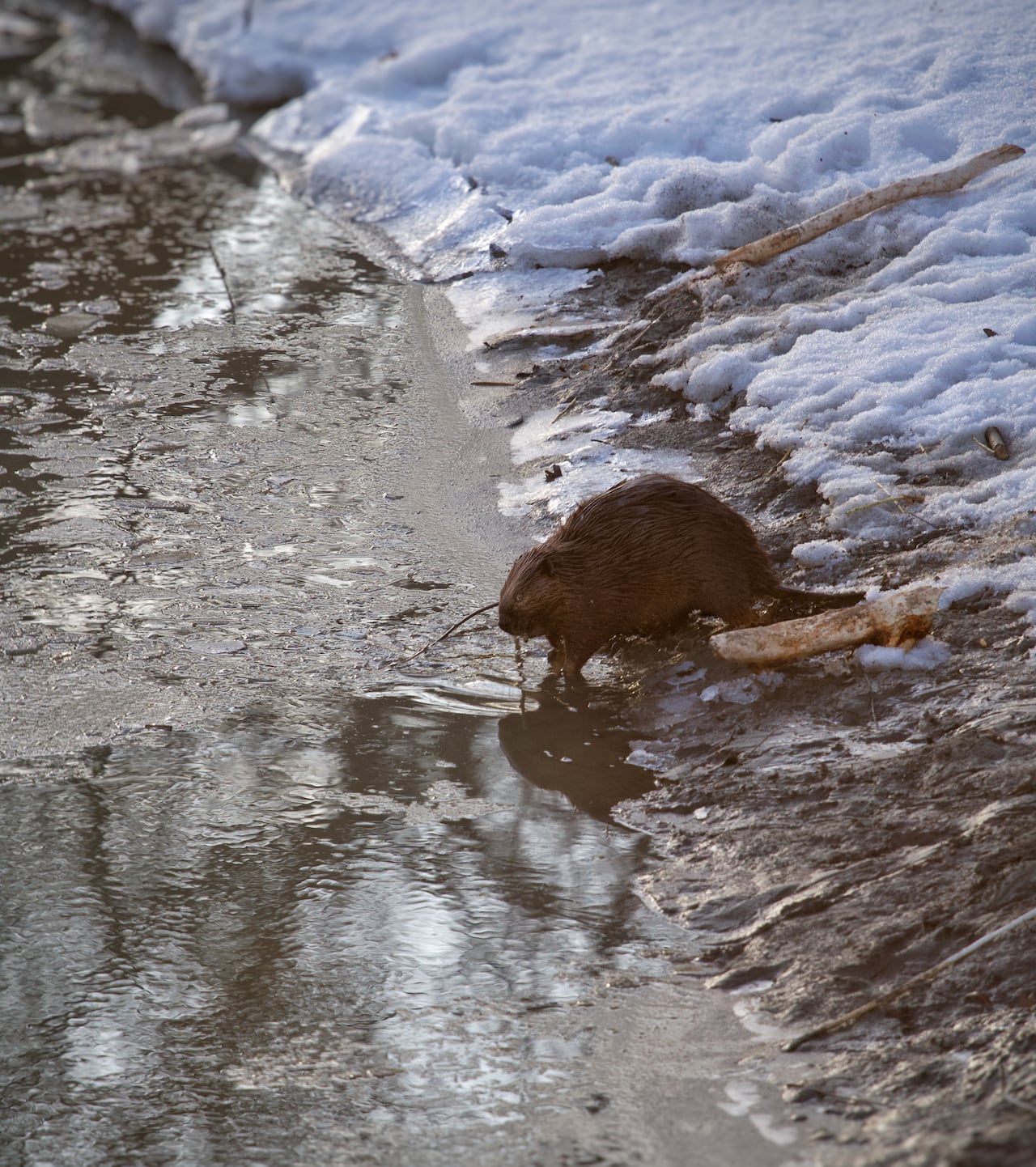
A beaver makes its way through snow and mud into the Assiniboine River in Winnipeg as the ice melts this past spring. Once nearly driven to extinction by the fur trade, this mammal is now considered stable in North America by the International Union for Conservation of Nature. (Bryce Hoye/CBC)
He refers to the Noah’s Ark Problem, an economic model for biodiversity conservation developed in the late 1990s.
This analogy envisions how Noah, faced with spatial limitations on the ark (akin to a conservation budget), might select which species to save and which to let perish, aiming to preserve as much biodiversity as possible while also considering the utility of each species to humanity and their likelihood of survival.
Noack acknowledges that this approach is overly simplistic but believes it captures the essential components accurately.
Critics of this model argue that it isolates species rather than adequately recognizing the ecological roles that specific species play in benefiting others.
The long-term survival of species such as northern leopard frogs or Pacific salmon might depend on the presence of beavers on the ark to create the wetland habitats that other species require for survival.
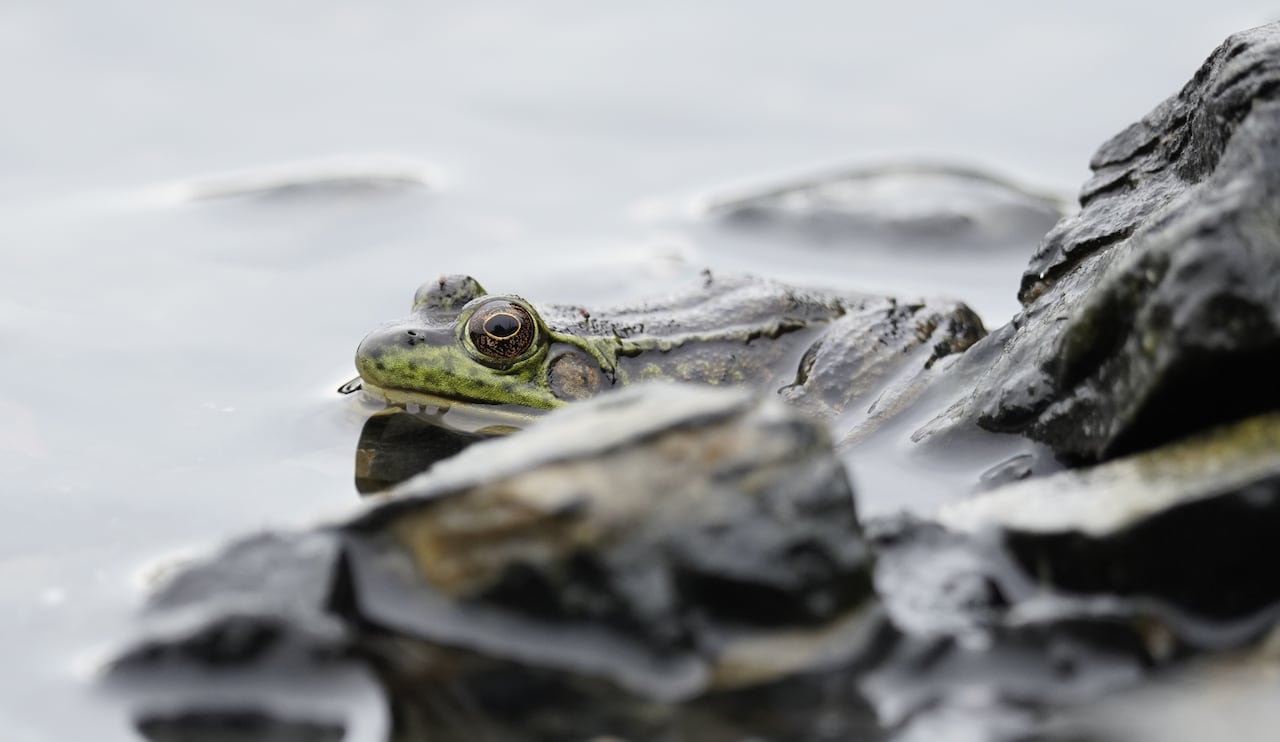
A frog rests along the shoreline of a lake near the Manitoba-Ontario border in September 2026. The IUCN red list estimates that 25 percent of freshwater species globally are at risk of extinction. (Bryce Hoye/CBC)
According to the narrative, Noah was instructed to only account for land-dwelling creatures and birds.
Brabant asserts that biodiversity conservation strategies often neglect freshwater species.
He aspires for these maps to elevate the visibility of freshwater species and assist policymakers in targeting areas that most urgently require intervention.
