

This week’s episode of Quirks & Quarks features Bob McDonald:
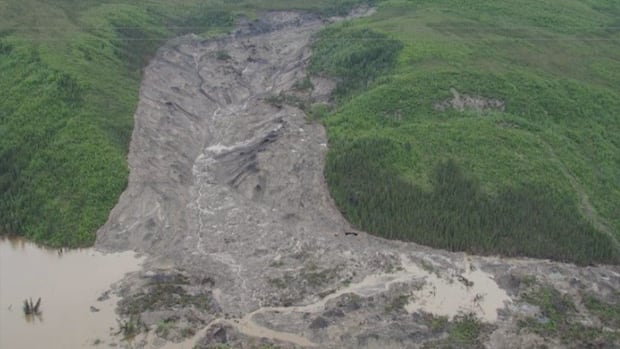
Strange movements of the Earth in the North linked to climate change
In the Northwest Territories of Canada, scientists have observed a new kind of landslide, termed permafrost detachment slides, that is unlike anything previously documented. The permafrost, which refers to the frozen soil or rock that covers roughly half of Canada’s land area, is melting due to rising temperatures in the Arctic. This thawing process is causing substantial blocks of frozen material, sometimes comparable to the size of homes, to break away and descend slopes. Duane Froese, a geoscientist at the University of Alberta, cautions that such occurrences are likely to increase over time. This research is detailed in the journal Geophysical Research Letters.
Why sperm whales blow bubbles while sleeping
Sperm whales have a peculiar behavior of sleeping in a vertical position in the water. Their enormous, oil-filled heads function like a buoy, causing their heads to rise to the ocean’s surface when they cease swimming. Previous studies indicated that they would frequently release bubbles during their sleep, prompting biologist Noémie Freymond to explore this phenomenon for her master’s thesis at the University of St. Andrews. She discovered that the whales generate bubbles while resting to maintain their position below the water surface. Her findings were published in the Journal of Experimental Biology.
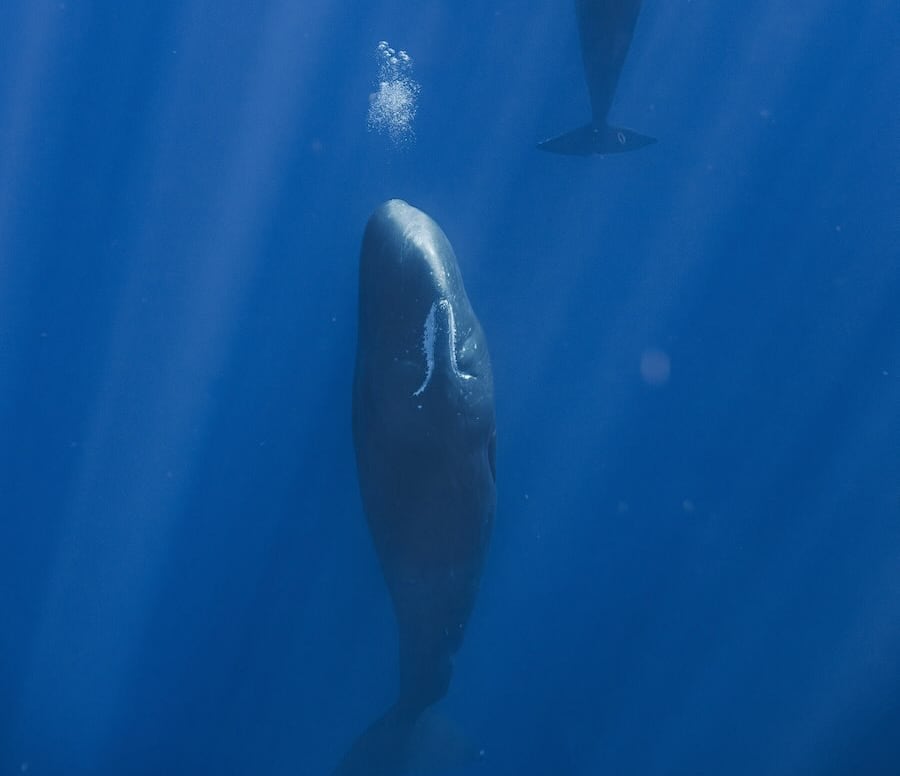
Sperm whales rest vertically. Recent studies suggest they blow bubbles to avoid rising to the surface while they sleep. (Stéphane Granzotto)
Adjusting wind turbine blade speed could recover lost energy from changing winds
Wind farms can suffer financial losses due to fluctuating winds. To explore potential improvements, John Kurelek, a mechanical engineer at Queen’s University, along with his team, examined a small wind turbine within a pressurized wind tunnel to simulate power loss when wind direction alters. Their research, published in PNAS Nexus, demonstrated that energy output could be enhanced by reducing the speed of blade rotation.
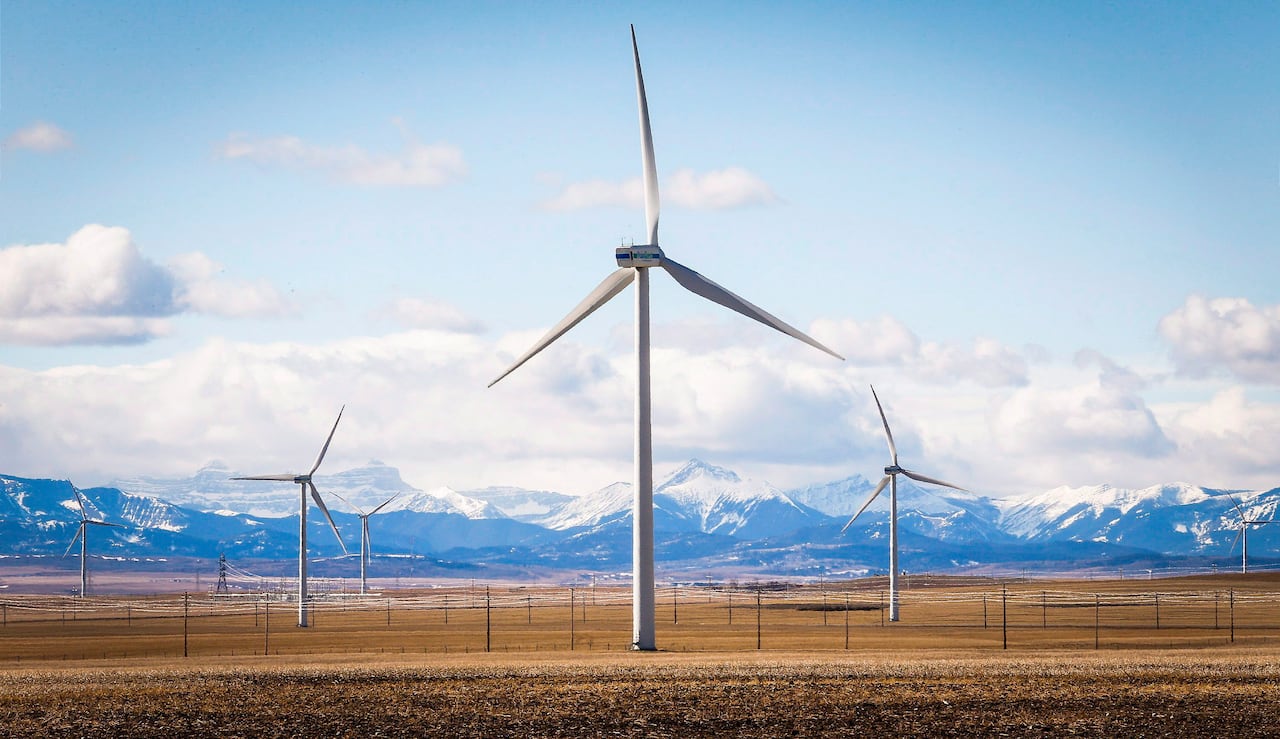
Wind turbines located near Pincher Creek, Alberta. (Jeff McIntosh/The Canadian Press)
Insights from a new lunar crater about incoming asteroids and nuclear options
In the spring of 2024, the Lunar Reconnaissance Orbiter (LRO) captured images of a new, substantial asteroid impact on the moon. When UCLA planetary scientist David Paige examined the details, he identified a seven-kilometer-wide ring of displaced regolith surrounding the 222-meter impact crater. He states that his discoveries, published in Science Advances, will aid researchers in gaining a deeper understanding of the tumultuous history of asteroid impacts within our solar system.
Besides tracking asteroids, scientists are also working on strategies to protect against potentially dangerous asteroids. Physicist Isaiah Santistevan from Lawrence Livermore National Laboratory simulated the impact of a nuclear explosion on an asteroid large enough to cause significant destruction. In the vacuum of space, a nuclear detonation occurring 10 or 25 meters away from the asteroid could eliminate the threat. The X-rays emitted during the explosion would vaporize the asteroid’s outer layer and redirect it from a collision course with Earth, similar to a rocket. This investigation is documented in The Planetary Science Journal.
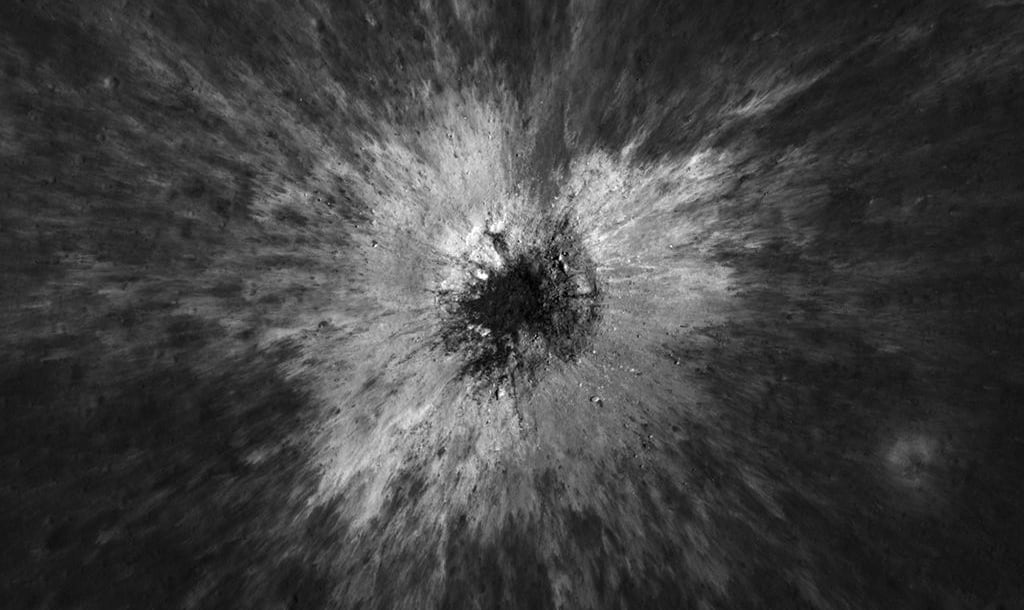
This lunar crater, identified in October 2025 by Robert Wagner, measures 222 meters in width, making it the largest newly formed crater discovered in the solar system. (Robert Wagner/Intuitive Machines/NASA Goddard/)
Patterns in birdsong mirror human speech
Human speech exhibits consistent patterns worldwide, regardless of the language spoken. Interestingly, birdsong shows similar characteristics. In a recent study, researchers analyzed the songs of 367 bird species alongside 52 languages, revealing common patterns in both, such as sound sequences, synchronized vocal movements, and pitch variations. Jon Sakata, a biologist from McGill University, and his team utilized a comprehensive collection of international birdsongs gathered by citizen scientists for this investigation. Their findings were published in the journal Science.
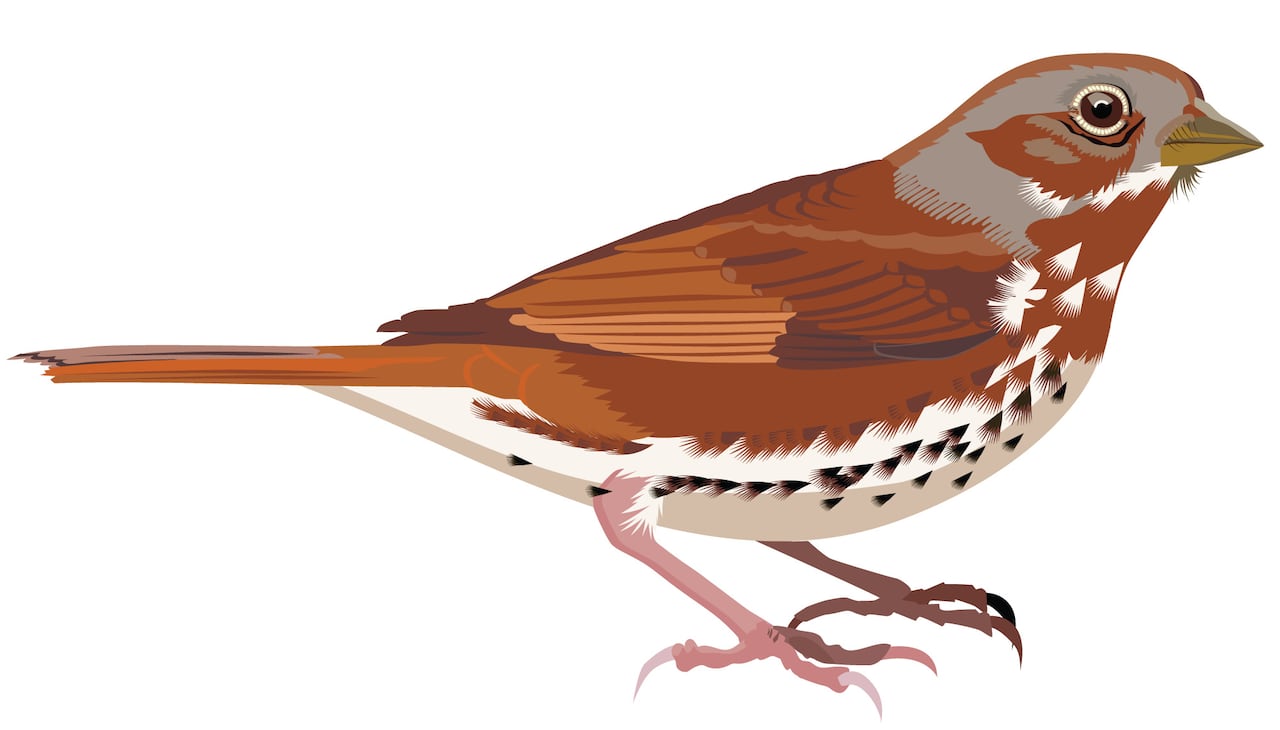
An illustration of a Fox Sparrow, a bird species found throughout North America. (Damond Kyllo)
Tag: rewrite-pending
