

According to analyst Michael Kovrig, the summit between U.S. President Donald Trump and Chinese President Xi Jinping was more focused on spectacle than on substantial policy discussions.
During a three-day visit this week, Trump warmly welcomed Xi, culminating in a tea session at the White House.
Following the meetings, Trump described the talks as “very, very productive,” claiming they brought about “great things for both nations.”
However, Kovrig, who previously served as a Canadian diplomat and is the senior Asia advisor at the International Crisis Group, argues that the visit yielded little of real value. He contends that the perception of Trump’s friendly rapport with Xi could jeopardize both U.S. interests and those of Canada.
This week also signifies the fifth anniversary of Kovrig’s release from detention in China. His arrest, along with that of fellow Canadian Michael Spavor, was largely seen as a response to the 2018 detainment of Chinese tech executive Meng Wanzhou in Vancouver on a U.S. warrant.
Here is an excerpt from his discussion with As It Happens guest host Helen Mann.
Donald Trump remarks that many positive outcomes emerged from this summit. Is that an accurate statement? If so, positive for whom?
I believe the primary beneficiary is actually Xi Jinping.
The goal for the Chinese was to orchestrate a ceremonial summit filled with grandeur that would position Xi as a prominent world leader visiting Washington for the first time in a decade and being honored as an equal by the U.S. president.
I think Trump also enjoyed the grandiosity and the reciprocal nature of the visit and the image he aims to project that through his personal bond with Xi, they can address issues and find solutions.
However, in terms of real substance, the outcomes are rather insubstantial.
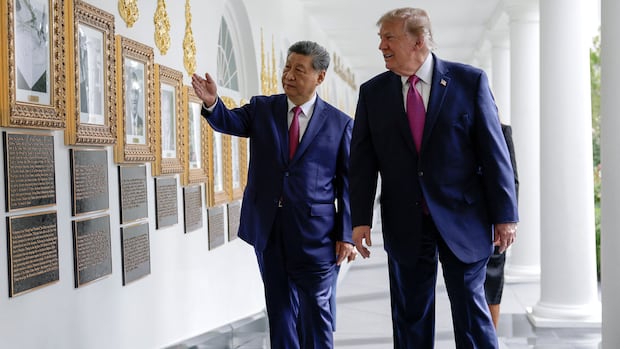
U.S. President Donald Trump provided Chinese President Xi Jinping with an elaborate tour on the first full day of his official state visit, but due to the White House’s tight control over summit coverage, the specific topics discussed by the two leaders remain unclear.
You mentioned that you believe Trump is relishing the grandeur of this visit. Is there any significant win for him in this scenario, especially considering his recent challenges both domestically and internationally?
I see the optics suggesting this is a reciprocal encounter. It positions both leaders as powerful figures, as strongman leaders, which is how Trump prefers to view himself. However, the actual substance appears to be primarily a mere two-month extension of the trade ceasefire.
This situation arises as both China and the U.S. have been vying for economic preeminence — the U.S. through Trump’s tariffs, which are familiar to Canada, while China has responded with restrictions on rare earths and critical minerals, leveraging that to gain an advantage, causing the U.S. to retreat.
Consequently, both nations find themselves in a strategic impasse, focusing on minor transactional victories and maintaining the trade truce.
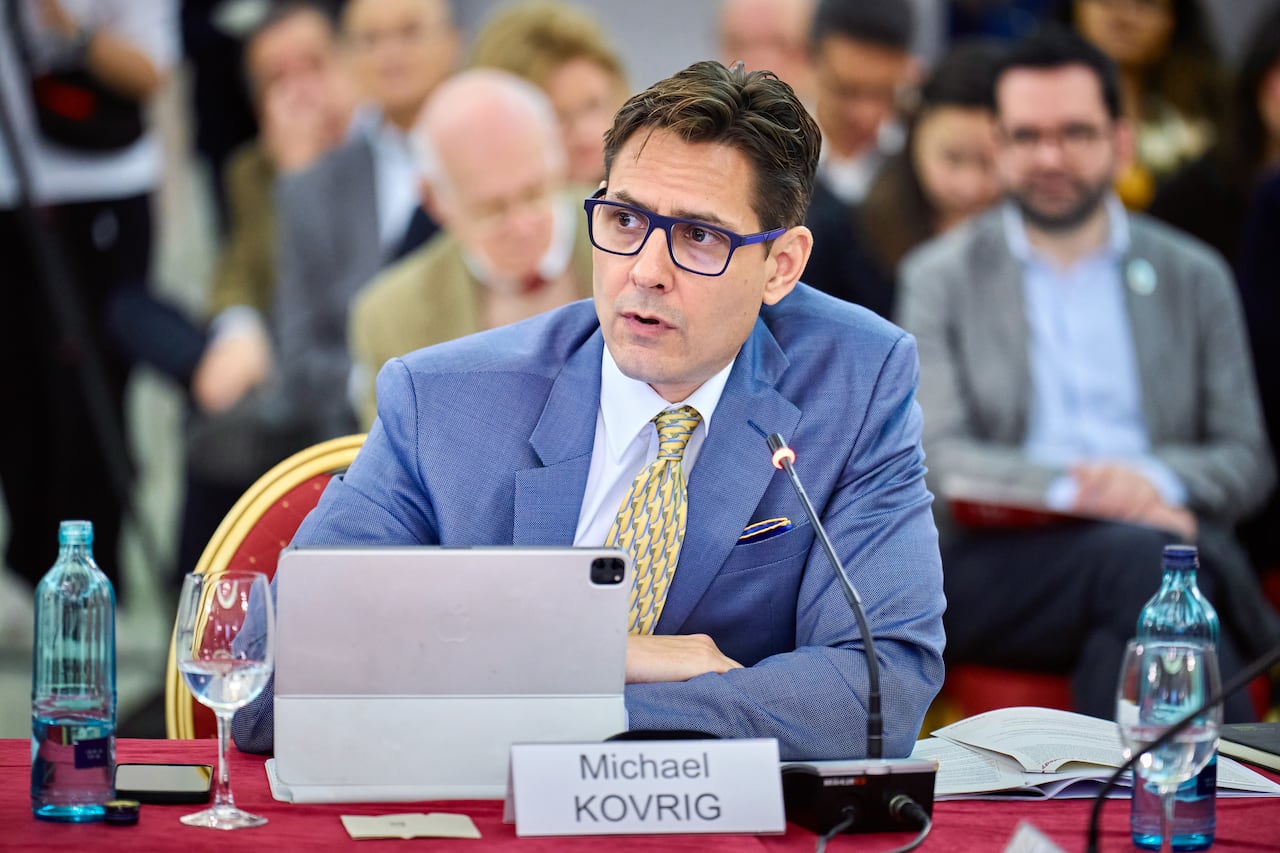
Michael Kovrig, a former Canadian diplomat and senior Asia advisor for the International Crisis Group, spent three years imprisoned in China. (Barcelona Centre for International Affairs/The Canadian Press)
What do you think Prime Minister Mark Carney might be observing during this summit, as Canada navigates not only its trade conflict with the U.S. but also an increasingly assertive China while he manages his own relations with Beijing?
It’s ironic that much of the U.S. policy framework is quite aggressive towards China, which is warranted given the numerous actions by China that pose challenges to U.S. interests and, by extension, to Canadian interests as well.
Yet, the president’s desire to impress the authoritarian leader of China and establish himself as a strongman in these interactions has undermined much of that policy.
This creates a contradiction where the U.S. expects allies like Canada to align with tough stances against China, while Trump may make agreements with China that could leave those allies vulnerable.
Carney will likely be particularly vigilant about whether Trump has, or might, agree to any terms with Xi that could isolate Canada and place it at risk of Chinese reprisals, whether in trade or through diplomatic channels. Additionally, he will be concerned about any U.S.-China trade agreements that might economically disadvantage Canada.
From a strategic viewpoint, there are apprehensions regarding Taiwan. Trump has withheld a $14-billion [US] arms deal that has been in the works for Taiwan since May, referring to it as a negotiating tool… which impacts Canada as it relies on a stable Indo-Pacific for much of its economic prosperity.
This situation also puts another democracy, which the U.S. has supported for decades, at risk. It sends a message about the U.S. posture towards its other allies.
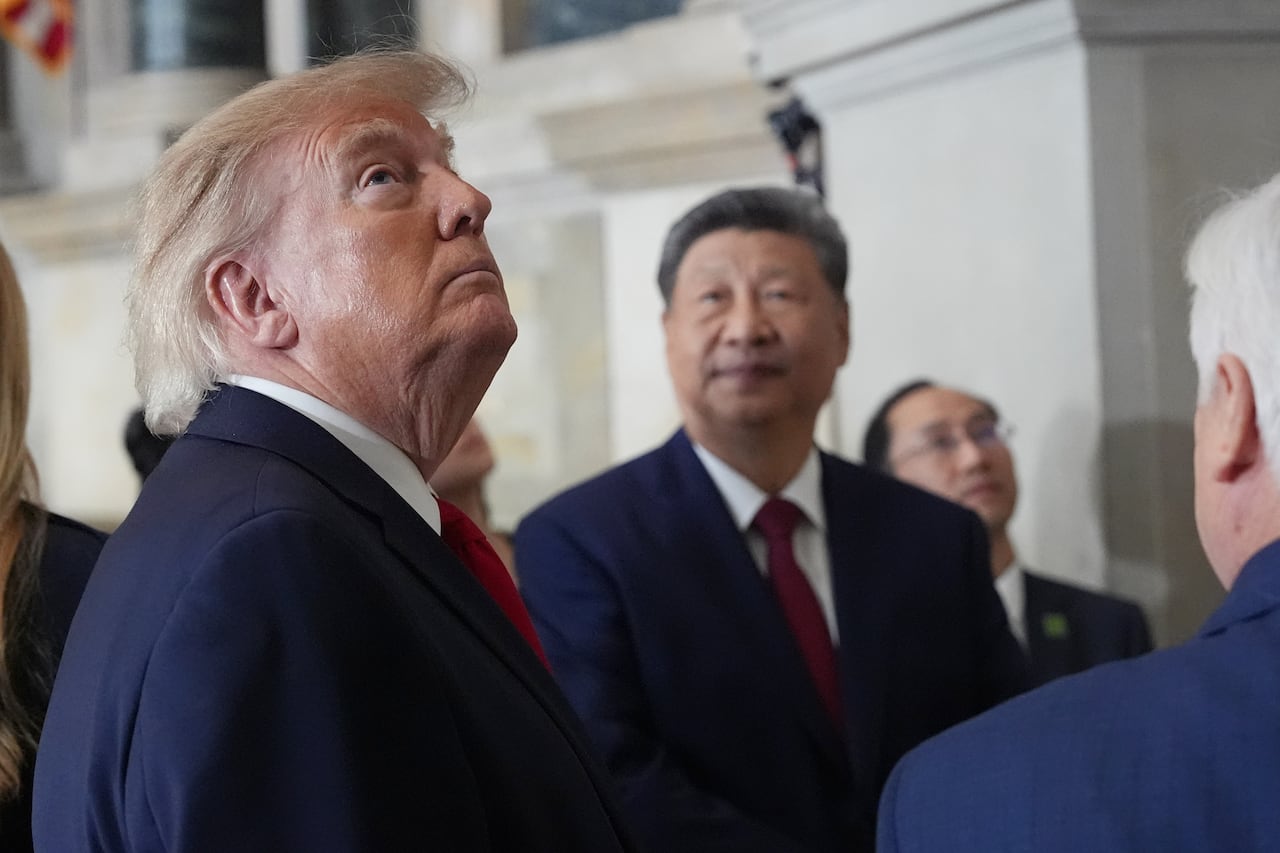
Kovrig believes the intent behind Xi’s visit to the White House was to enhance his image in Chinese state media. (Alex Brandon/The Associated Press)
This week marks five years since your release from detention in China. What insights do you draw from that experience as you work to better understand China’s leadership and its relations with the global community?
Five years ago, I left China after its government finally accepted a negotiated resolution to my unjust detention. I had been a political hostage in a brutal attempt to coerce Canada into freeing Huawei Technologies CFO Meng Wanzhou. Ironically, the ramifications of that situation still resonate today.
Xi Jinping is currently in Washington negotiating with the individual who triggered that entire crisis, Donald Trump. Meanwhile, the U.S. government’s legal action against Huawei Technologies, which includes the Meng extradition process, has commenced this month in New York City.
The implications of this situation persist in another sense, through ongoing detentions. While I may have been, especially for Canadians, one of the most recognizable figures … detained for political reasons in China, I was not alone. Other Canadians had faced similar fates before me, and such cases continue to arise.
China continues to unlawfully detain foreign nationals and utilize them as bargaining chips, whether as hostages or for political leverage. This ongoing risk is pressing, and Canada must collaborate with its allies to encourage China to cease such behaviors and stop its coercive tactics. Meetings with Xi Jinping, whether involving Mark Carney or Donald Trump, should be opportunities to advocate for the release of those detainees.
The message to Xi Jinping must be clear: Abducting and mistreating individuals tarnishes your reputation.
