
A review conducted by the national intelligence oversight body suggests that the Canadian Security Intelligence Service may have failed to adhere to legal standards while utilizing special powers for information gathering.
According to the CSIS Act, authorized personnel from the spy agency are permitted to commit specific offences in their information collection efforts, ensuring that CSIS activities remain within the bounds of the law.
The recently published report from the National Security and Intelligence Review Agency highlights the limitations and stipulations associated with this authority to guarantee that CSIS operations are legally constrained.
For example, this authority does not allow CSIS to intentionally impede justice, violate a Charter right, or detain, torture, or kill individuals.
When employees engage in unlawful acts or instruct sources to do so, they must justify why they consider these actions to be reasonable and proportionate under the circumstances.
The review agency assessed CSIS’s application of this authority during operations in 2022 and 2023.
The CSIS Act mandates that all employees who commit offences, including those involved in covert operations, must be explicitly designated for that purpose.
Furthermore, it requires that designated employees secure approval from a senior official before directing someone else to commit an offence.
-
Fear of reprisals, isolation, anxiety: Report documents mental health concerns at CSIS
-
New lawful access bill would give police, CSIS more powers to track suspects online
-
CSIS, RCMP face ‘significant challenges’ obtaining private data: Intelligence watchdog
The oversight agency concluded that CSIS adhered to the restrictions regarding the types of offences allowed under the established framework.
However, the watchdog identified instances where some employees may have committed offences without the proper designation, and that there may have been unlawful directives issued to carry out certain actions without the legal authorization required.
Additionally, the report indicates that CSIS occasionally lacked sufficient documentation to justify the offences committed.
Employees are expected to weigh several factors, including the nature of the threat, the potential negative consequences of committing the offence, the logical connection between the offence and the anticipated outcomes, and any alternative actions that could be taken.
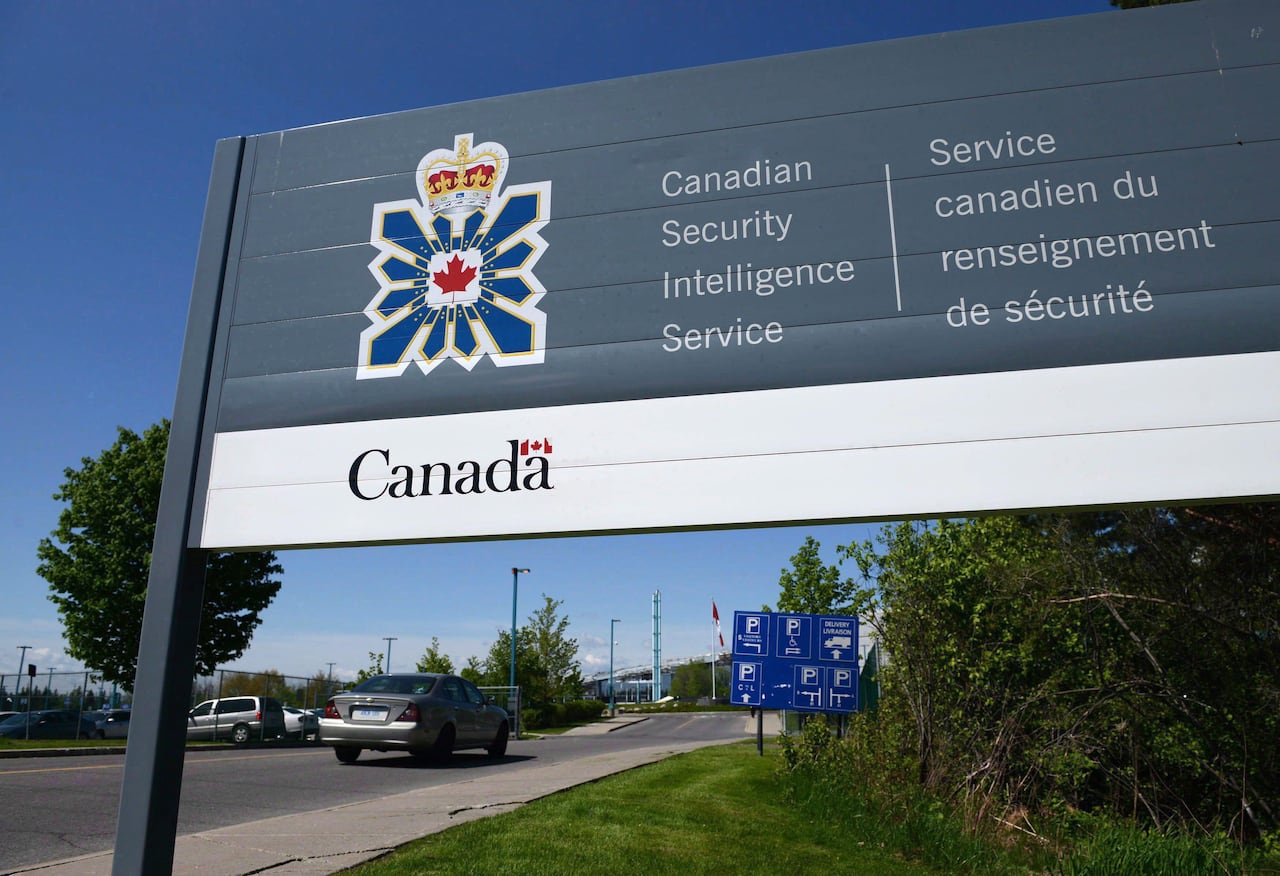
The Canadian Security Intelligence Service is permitted to commit certain offences as part of its work. (Sean Kilpatrick/The Canadian Press)
The findings suggest that some of the justification statements failed to adequately describe the threat, did not outline the expected drawbacks of executing the offence, or omitted consideration of alternative strategies altogether.
Moreover, the report notes that some necessary internal reports and notifications to the review agency were not completed.
The intelligence oversight body asserts that CSIS has an obligation to ensure that all its operations comply with legal standards, particularly when those operations entail actions that would normally be deemed illegal.
The review agency suggests that CSIS enhance its internal guidance, oversight, and quality assurance measures to guarantee that the justification framework is utilized in accordance with the CSIS Act and its internal policies.
CSIS spokesperson Eric Balsam stated on Tuesday that while the intelligence agency might not concur with all the review agency’s conclusions, “CSIS shares the same strong commitment to transparency and accountability, and takes all potential non-compliance seriously.”
Balsam added that CSIS is open to the review agency’s recommendations and will implement the “appropriate steps” suggested by the assessment.
Tim McSorley, national co-ordinator of the International Civil Liberties Monitoring Group based in Ottawa, described the review agency’s findings as “deeply disturbing.”
He stated, “Once again, we see a situation where CSIS stretches the limits of the law and fails to adhere to the guidelines and regulations intended to assure public trust in their handling of such sensitive powers.”
McSorley emphasized the need for the public to receive clear answers regarding the accountability of the CSIS officers involved and the measures that will be taken to prevent such oversights in the future.
