
As the aftermath of a surprising midterm election unfolds, where Republicans experienced significant setbacks in the U.S. Congress, former officials from Canada and the U.S. express uncertainty over whether this defeat marks the conclusion of Donald Trump’s political dominance and the MAGA movement.
“The next two years will reveal much,” stated former Arkansas governor Asa Hutchinson during an interview on Rosemary Barton Live. “I anticipate that the turmoil will persist, which is detrimental to Trump’s legacy.”
On Tuesday, Democrats achieved substantial victories, winning at least 40 seats in the U.S. House of Representatives and seven in the U.S. Senate, including a groundbreaking victory in traditionally Republican Texas. Additionally, they may secure two more Senate seats in Mississippi and Alaska, pending final counts.
Polls indicate an even more troubling scenario for Republicans, showing that the party suffered considerable losses across various demographics, including white males, just two years after gaining traction among Hispanic and Black voters.
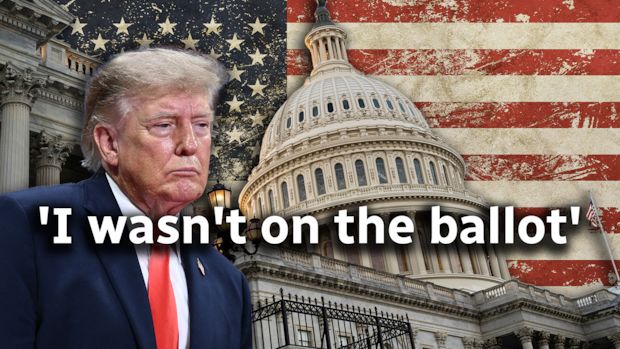
Democrats made historic gains in the U.S. midterm elections, winning majority control of both the House and Senate by flipping deep-red seats in several states including Texas, South Carolina and Kansas. Andrew Chang breaks down shifts across key battlegrounds to explain how the ‘bluenami’ unfolded as traditional Republican strongholds fell. (Photo credits: The Canadian Press, Reuters, Adobe Stock and Getty Images)
Following their 2024 election loss, Democrats found themselves engaging in introspection, partly due to diminished support from vital voting blocs. However, this year’s substantial achievements could set the stage for a return to the White House in 2028, should they maintain their momentum.
Hutchinson, a seasoned Republican who contested Trump in the 2024 presidential primaries, recognized that Trump is unlikely to act as a conventional lame duck and will probably continue to stir controversy while seeking to dominate the party’s narrative.
Nonetheless, he views the defeat as an opportunity for Republicans to reconnect with “traditional values,” including supporting like-minded allies and advocating for limited government and free trade.
“This rebuke from the American electorate towards President Trump will broaden the field of candidates for the 2028 race,” Hutchinson remarked.
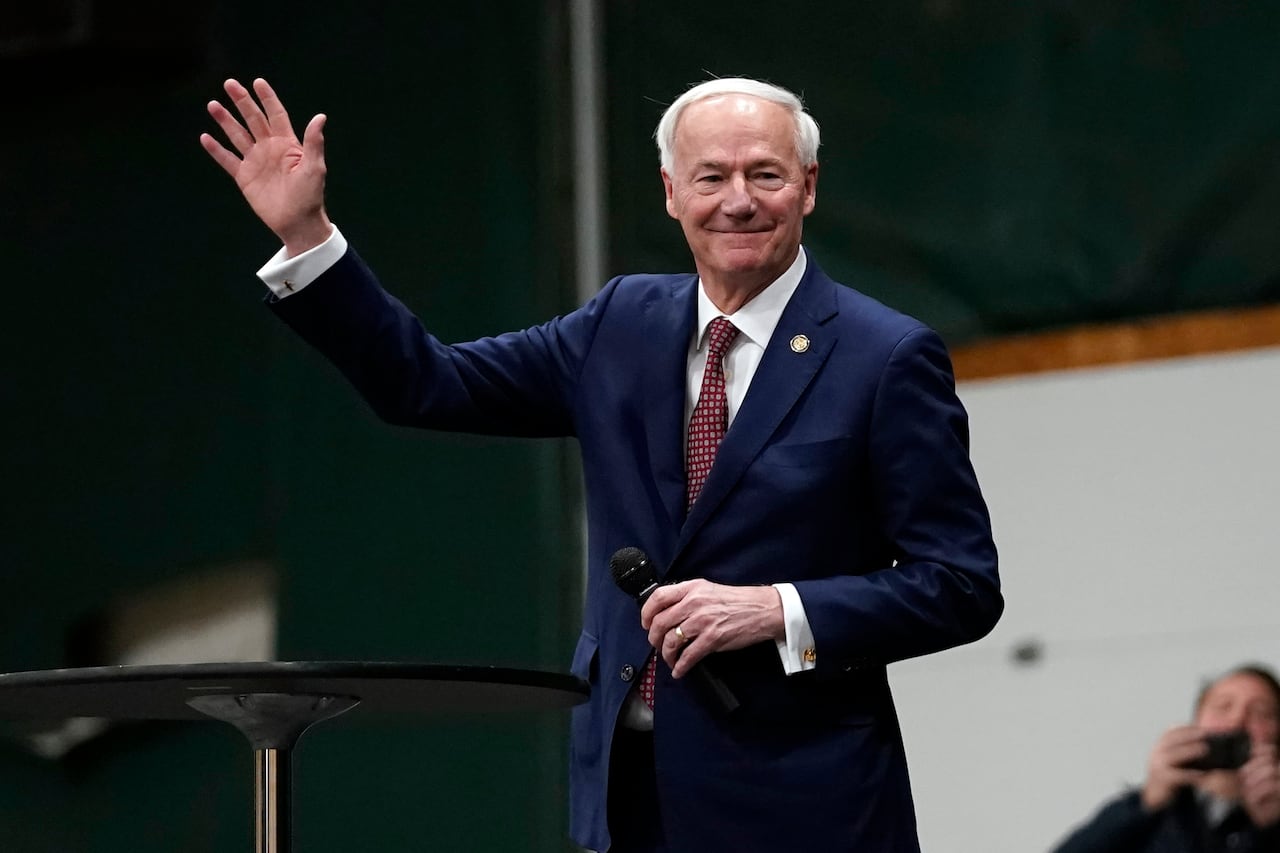
Former Arkansas Gov. Asa Hutchinson in Clive, Iowa, on Jan. 15, 2024. (Andrew Harnik/The Associated Press)
Jaime Harrison, a former chair of the Democratic National Committee, mentioned that American citizens are “tired of the corruption they perceive in this administration,” delivering a critique of Trump’s trade strategies and the conflict in Iran that has escalated prices.
“This is a catastrophic event. The Republicans have been decimated,” he stated.
Harrison also recalled that the late Republican senator Lindsay Graham, whose sister Darline was defeated by Democrat Annie Andrews in South Carolina, cautioned the party back in 2016 that Trump would lead to the party’s demise.
-
Senior Democratic congressman says party ‘going to put an end’ to Trump’s tariffs
-
Analysis
What the Republican midterm defeat means for Trump, the U.S. and Canada
Bruce Heyman, a former U.S. ambassador to Canada, conveyed to CBC’s The House that Trumpism and MAGA are “significantly weakened today,” yet will still retain some influence due to the deep loyalty found among segments of Trump’s supporters.
“This was less a win for the Democrats than a loss for the Republicans,” Heyman stated.
“It was necessary to attract independents and Republicans. The onus is now on the Democrats to determine if they can maintain their support or if these voters will revert to a more stable Republican Party.”
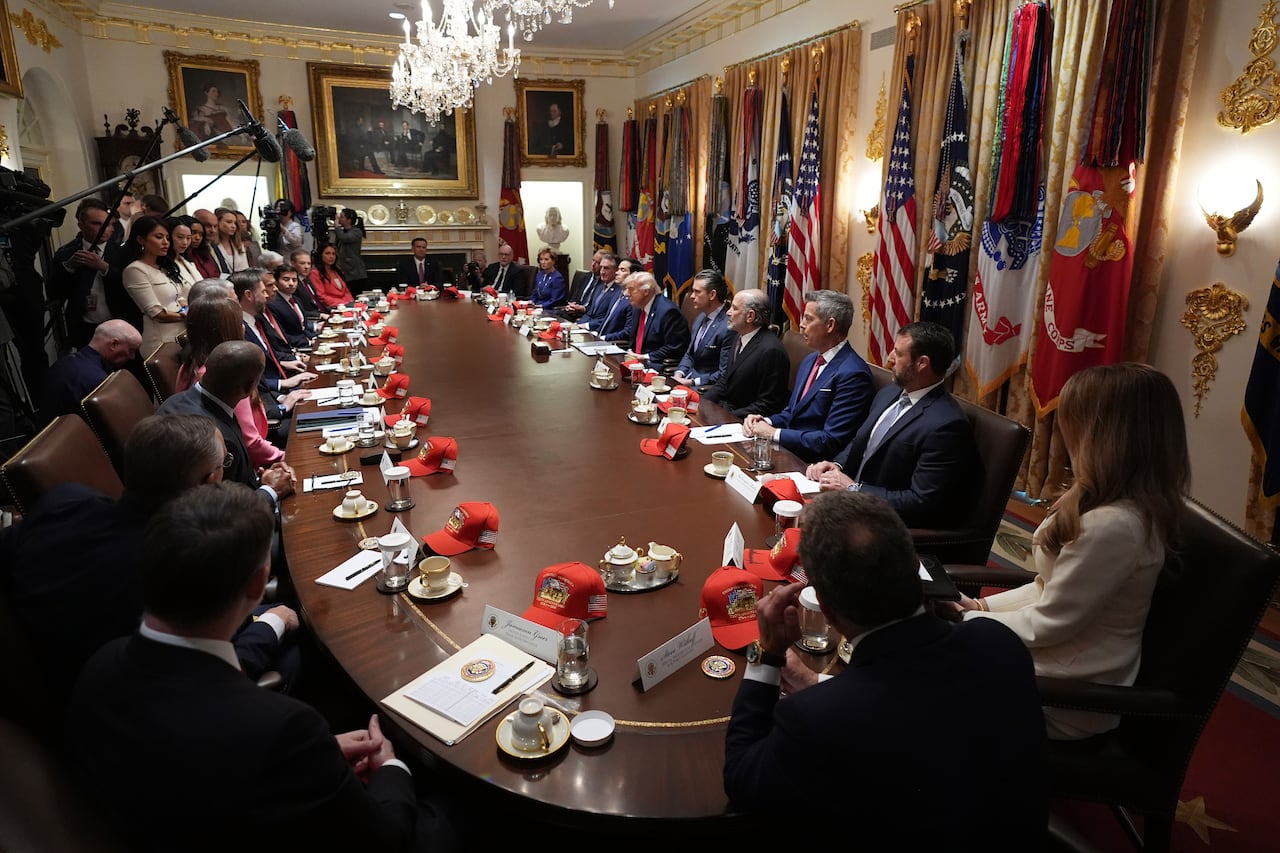
Trump, centre right, attends a meeting in the Cabinet Room, at the White House, on Wednesday, May 27, 2026, in Washington. (Jacquelyn Martin/The Associated Press)
Frank McKenna, former Canadian ambassador to the U.S., anticipates a decline in support from Trump’s MAGA base “because no one wants to go down with the ship in politics.”
However, he noted that Trump’s recent elevation of immigration hardliner Stephen Miller to chief of staff indicates that the president is not retreating from essential policies, such as a mass deportation initiative.
“He will still seek to be at the center of attention and will continue to complicate matters for others. The difference now is that he wields less power than he did a week ago,” McKenna remarked.
What are Canada’s next steps?
The Republican loss creates a potential opportunity for Canada regarding trade, should Trump interpret his defeat as a cue to soften his stance towards Canada.
Just days prior to the midterm elections, Prime Minister Mark Carney mentioned having a “productive conversation” with Trump concerning the future of Canada-U.S. trade, and indicated that discussions will commence shortly on the framework of a prospective agreement.
Heyman expressed uncertainty about what lies ahead, but warned of “challenging days to come” for both Democrats and Canadians, as Trump is now unbound by political constraints as he completes his presidency.
Carney should explore various avenues, Heyman advised, including ongoing negotiations with the White House, diversifying Canada’s economic strategies, and strengthening ties with the new U.S. Congress.
“Ultimately, we should aim to reduce or eliminate tariffs and establish long-term agreements that will require congressional approval,” he emphasized.
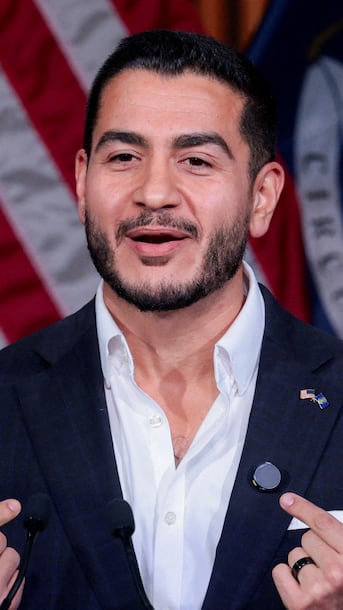
Michigan’s Democratic senator-elect Abdul El-Sayed said he’s willing to work with the Trump administration to end the trade war with Canada during an interview with MS NOW’s Morning Joe program on Thursday. El-Sayed will be sworn into office in January 2027.
McKenna indicated that one significant concern remains for Canada: Trump’s threat to escalate tariffs on Canadian automobiles, parts, and steel to 50 percent starting January 1, 2027.
“This could effectively halt cross-border automotive trade within Canada and North America,” McKenna remarked, noting that Canada is the largest single buyer of U.S.-manufactured vehicles.
However, he expressed optimism regarding the pressure Trump would face to remove the tariffs and steer both nations towards a resolution.
“In a sense, this could serve as a relief valve for him. So, I am feeling fairly hopeful about reaching an agreement,” he concluded.
