
WARNING: This article includes descriptions of abuse.
Craig Fox fatally shot Lee Bearsears in the back of the head and subsequently abandoned his body in a field located on Poundmaker Cree Nation.
Fox is now awaiting the determination of his prison sentence and the number of years before he can apply for parole.
The 29-year-old was found guilty of second-degree murder following a trial held earlier this year at Battleford Court of King’s Bench.
During Fox’s sentencing hearing last week, members of Bearsears’s family expressed their sorrow, devastation, and the void left in their lives after his murder on October 15, 2023. Bearsears was 31 years old.
His younger siblings shared how significant he was in their upbringing, stating they were uncertain where they would be without him.
“He assisted many of us, likely even you. I was angry at you, but now I’m just trying to endure, trying to cope with this,” Bearsears’s mother addressed Fox.
One of his grandmothers wrote in her victim impact statement that Bearsears “looked after all of us.”
“We placed our trust in you and never imagined for a moment that you could inflict such harm on him,” she wrote. “Are you aware of what you have taken from us? Do you comprehend that you had no right to commit such an act?”
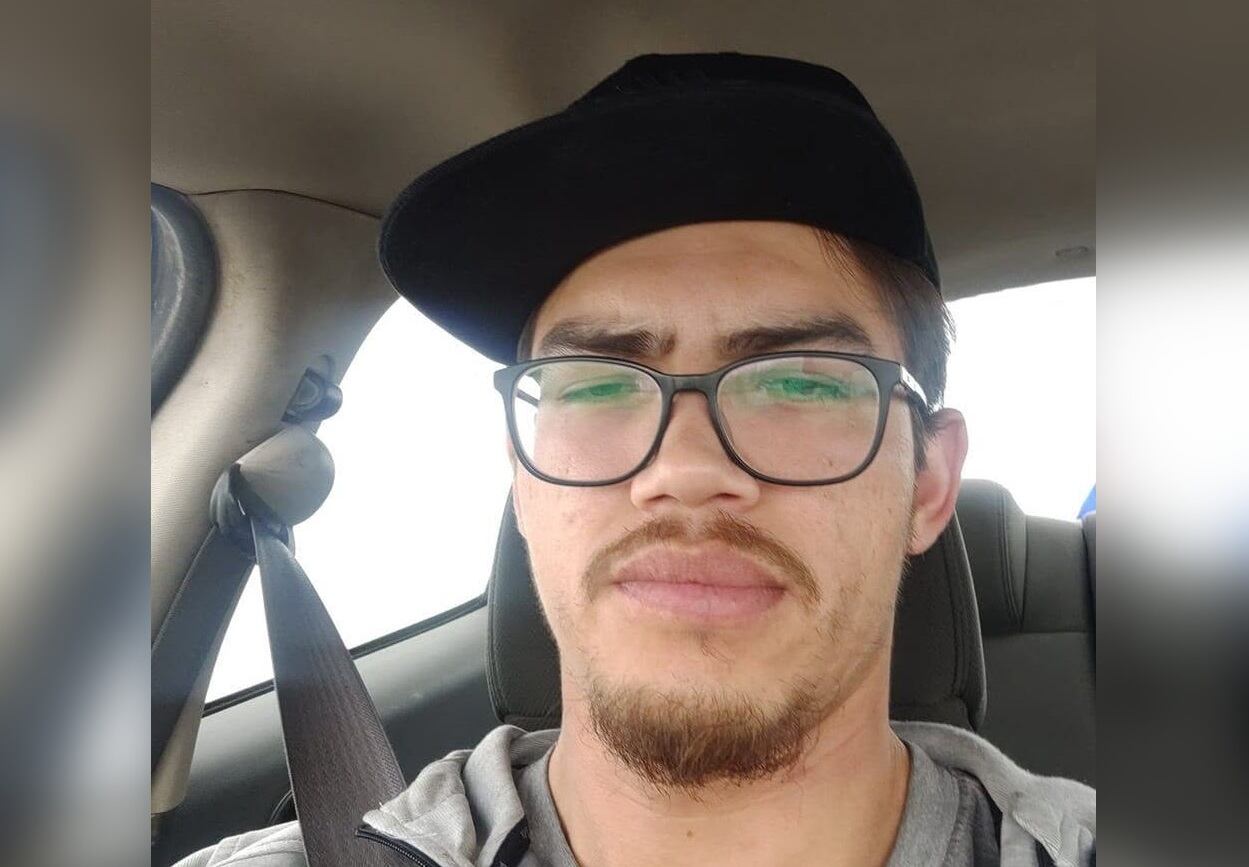
Lee Bearsears passed away on October 15, 2023. The individual convicted of his murder, Craig Fox, is currently awaiting sentencing. (Lee Bearsears/Facebook)
The murder
Justice Rochelle Wempe’s ruling, delivered in May, outlines the events that transpired on October 15, 2023.
Fox, under the influence of crystal meth and alcohol, spent the day driving around in Bearsears’s borrowed truck with others. They returned to Poundmaker Cree Nation around 8 or 9 p.m., where Bearsears was waiting for them.
Fox and a companion, Preston Checkosis, picked Bearsears up. Checkosis was at the wheel, Bearsears occupied the front passenger seat, and Fox was seated behind Bearsears.
Fox aimed a sawed-off rifle at the back of Bearsears’s head and discharged a single shot, intentionally killing him, as determined by Wempe.
Bearsears’s body was subsequently abandoned in a field, and his truck was left at a waste transfer station on the reserve.
Evidence presented during the trial noted by Wempe included the presence of Fox’s DNA on the rifle’s action and his fingerprints being the only ones found in the passenger area of the vehicle.
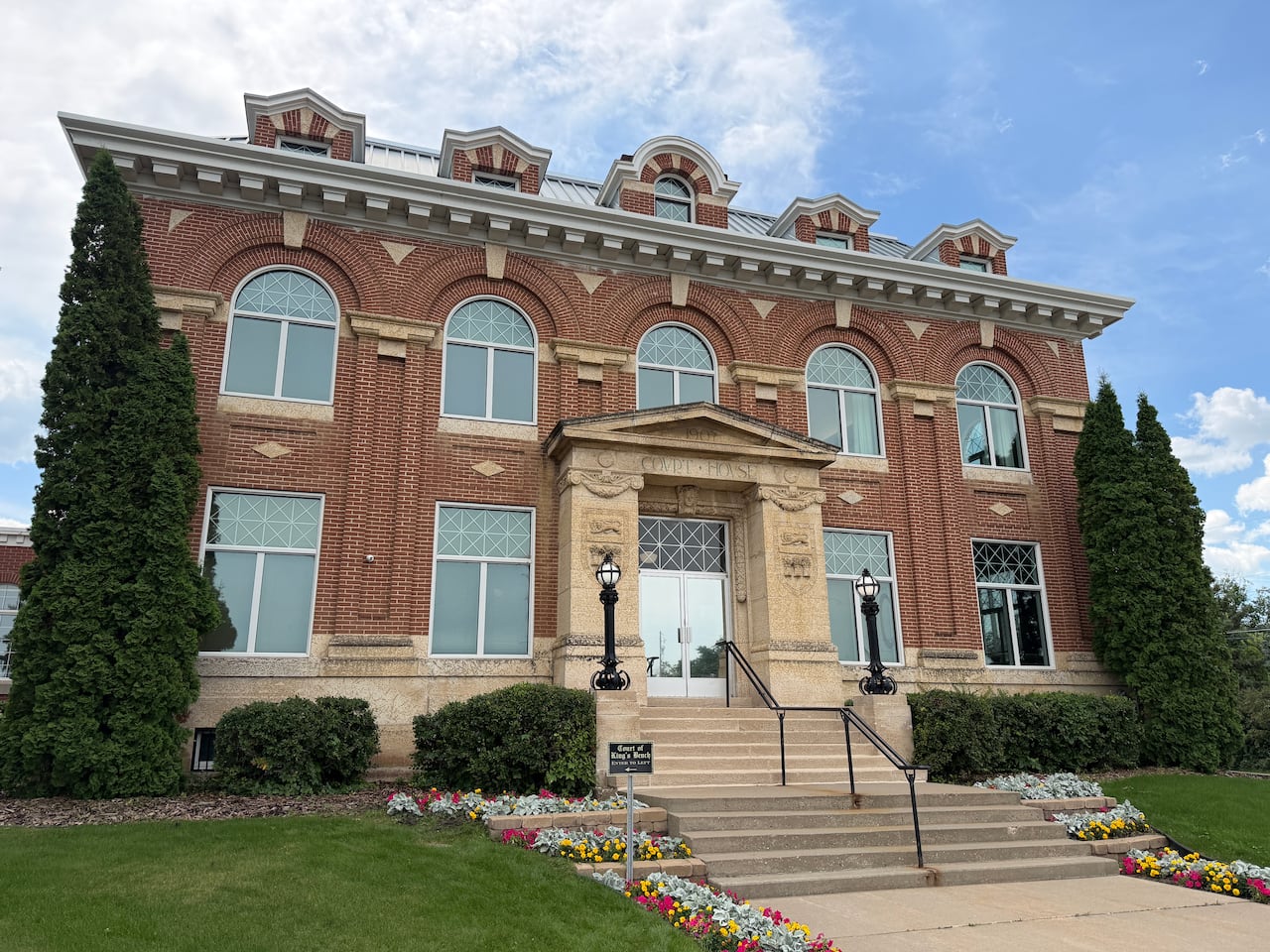
Craig Fox’s trial took place at Battleford Court of King’s Bench. (Hannah Spray/CBC)
Motivation behind the killing
Statements made by Fox following the shooting were also pivotal in Wempe’s ruling.
In the hours after Bearsears was shot, Fox visited an aunt on Little Pine First Nation, located just west of Poundmaker Cree Nation, where his brother and another cousin were staying. The cousin, upon waking, conversed with Fox.
The cousin testified that when he inquired about what had happened, Fox repeated, “We bodied a skinner” three or four times and stated, “I bodied a skinner” once.
Wempe indicated that “skinner” is a slang term for a child molester. The trial included agreed-upon facts that Bearsears had faced charges for sexual assault due to allegations of inappropriate behavior towards a minor.
Bearsears had pleaded not guilty and had a preliminary hearing scheduled for early 2024. Fox “became aware” of the accusation in September 2023, as noted by Wempe.
Additionally, police uncovered a message on Fox’s phone sent on January 19, 2024, from his Facebook profile, which “stated that he had been sexually assaulted as a child and that he would place individuals guilty of sexual assault ‘under the dirt where they belong,'” according to Wempe.
Arguments for sentencing
A conviction for second-degree murder mandates a life sentence without the possibility of parole for a minimum of 10 years and a maximum of 25 years.
The prosecution requested a parole ineligibility period of 15 to 20 years, while the defense sought 10 years.
In support of a longer parole ineligibility period, Crown prosecutor Oryn Holm stated that Fox had engaged in “vigilante justice,” acting as “judge, jury, and executioner.”
“Mr. Fox, in an ironic turn of events, was convicted following a trial. Through his actions, he deprived Mr. Bearsears of the right to a fair trial,” Holm remarked in court.
He emphasized that Bearsears had no forewarning of violence on the night of his death, had no opportunity to defend himself, nor any chance to escape, and his body was subsequently “callously” discarded in a field.
Holm also mentioned Fox’s extensive criminal history and noted that he was under a firearms prohibition at the time he killed Bearsears.
Contextual factors
Defense attorney Pamela Wayman, who represented Fox alongside Brent Little, contended that Fox’s life “cannot be separated from the multi-generational impacts of colonial systems.”
His grandparents and father were residential school attendees, while his mother attended a day school, a backdrop that contributed to the violence and addiction Fox faced from an early age.
Fox “experienced displacement almost from birth,” having been placed in foster care as an infant. His childhood was characterized by poverty, addiction, violence, and severe abuse, as stated by Wayman.
For a time, Fox lived with his father in Alberta, but described the abuse he suffered there as the “worst days of his life.” He frequently attempted to escape, ultimately being placed in group homes, which Wayman described as a “pathway” to his later institutional involvement and entry into the justice system.
During his teenage years, he revealed “highly personal information” to a counselor in a group home, who subsequently shared that information with staff and others in the facility. This breach of trust had “significant consequences” for Fox, leading him to discontinue participating in counseling.
With more reliable counseling and support, Wayman argued, Fox “might have developed healthier coping mechanisms for his trauma and eventual stress.”
He began consuming alcohol and drugs at a young age, occasionally supplied by older family members.
Wayman stated that all these background factors — familial history of residential school experiences, intergenerational trauma, removal from child welfare, separation from siblings and parents, institutionalization, poverty, addiction, childhood victimization, exposure to substances during early development, disrupted education, and early entanglement in the criminal justice system — do not excuse the crime or lessen the impact on Bearsears’s family, but should be considered during sentencing.
When asked by Wempe if he had any statement to make, Fox replied that he did not.
Wempe indicated that she required additional time to deliberate on the sentence, with a decision scheduled for September 25.
