
Since the early 2000s, Ontario has witnessed a decline of approximately 20 percent in its moose population, with certain northern regions experiencing reductions of over 50 percent. The Ministry of Natural Resources and Forestry (MNRF) is currently investigating the reasons behind this decrease.
Nick Luymes, a research scientist at the ministry, recently led a presentation detailing the latest insights from a multi-year moose research initiative in Wildlife Management Unit 13, located close to Thunder Bay.
Launched in 2024, the project explores various factors contributing to the decline of the moose population, such as the dynamics between predators and prey, diseases, calf survival rates, the effects of roads, and logging activities.
According to Luymes, despite a significant reduction in the number of hunting tags issued over the years, the moose population has not seen a notable increase in nearly twenty years.
“We aim to understand the significance of these limiting factors to tailor our experimental approaches accordingly,” he stated.
“We hope our findings will be applicable to other regions across the province and shed light on what influences these factors.”
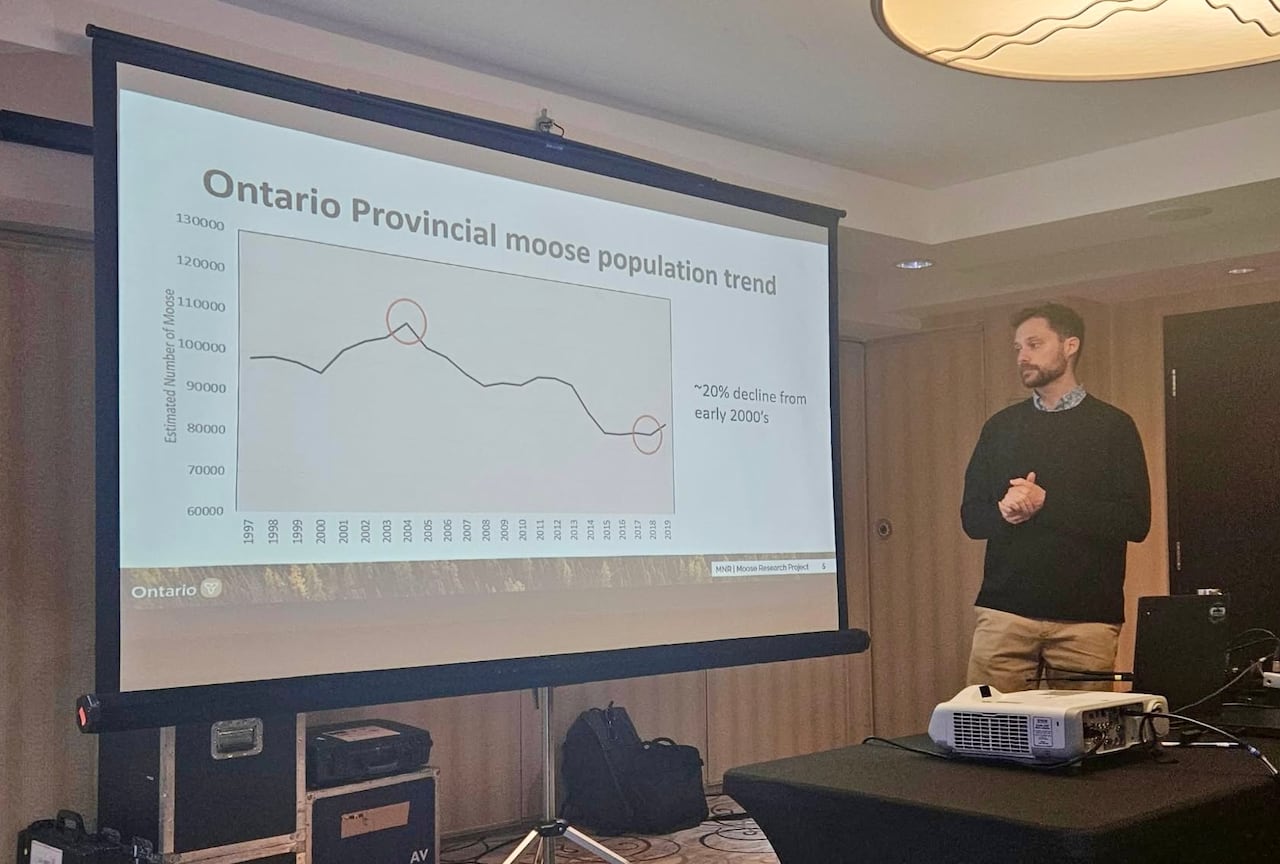
During the recent Northern Ontario Tourism Summit in Sault Ste. Marie, Nick Luymes shared insights on the moose population study. (Alex Flood/CBC)
Initial Findings from the Ministry
Over the past two years, ministry biologists and technicians have successfully captured and fitted GPS collars on more than 200 moose in the Thunder Bay region. This tracking aids in monitoring their movements, behaviors, and overall lifestyles.
“During the capture process, we gather extensive data, including pregnancy status, health, parasite load, body condition, and genetic information,” explained Luymes.
Luymes pointed out that the presence of active predators, such as wolves and black bears, plays a significant role in the decline of moose populations, particularly due to low calf survival rates—only about one-third survive their first year.
-
Researchers search for answers to declining moose population in northwestern Ontario
-
Manitoba First Nation appeals to licensed moose hunters to turn tags in to province
The research indicates that the estimated annual survival rate for adult females is 95 percent, while for adult males it stands at 70 percent.
“We receive alerts when a moose is suspected to be dead. If that occurs, we can collect samples and conduct investigations at the site to determine the cause of death,” he added.
To this point, 36 of the collared moose within the study area have died.
Vehicle accidents and hunting accounted for the majority of adult male fatalities, while predation was the leading cause of death for calves and yearlings older than eight months.
For adult females, “unknown health issues” were the predominant cause of death.
“We are aiming to achieve clearer confirmation on the specific causes,” Luymes remarked.
“We have submitted bodily samples to laboratories for more detailed analyses regarding the reasons behind these deaths.”

A moose being collared as part of the ministry’s ongoing research near Thunder Bay. (Ontario Fish and Wildlife)
Concerns About Predators Seen as a Temporary Fix, Says Conservationist
Dave Pearce, a senior forest conservation manager with Wildlands League, a Toronto-based conservation organization in partnership with the Canadian Parks and Wilderness Society, acknowledges the impact of wolves and bears on moose populations but believes they should not bear the entire blame.
“It’s convenient to suggest that they are the main drivers, prompting calls to reduce predator numbers,” he stated. “However, that approach is merely a temporary fix that fails to address the underlying fundamental issues.”
Pearce attributes a significant part of the stagnant moose population to climate change.
He cites increasing and unseasonably high temperatures as a major factor hindering the prosperity of these large mammals.
“Particularly in spring, we have been experiencing sudden spells of summer-like heat, which can lead to hyperthermia in moose,” he explained.
“When animals are heat-stressed, they tend to be less active and feed less, which adversely affects not just the individual but also their offspring.”
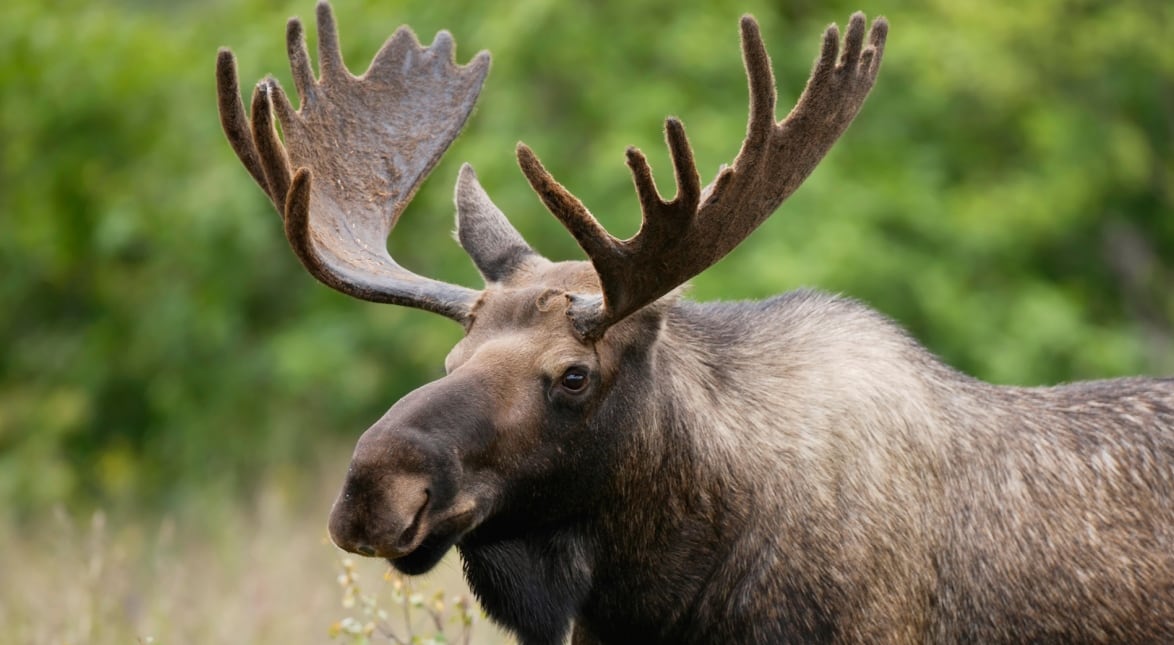
Despite a reduction in hunting tags, Ontario’s moose populations continue to decline, according to provincial reports. (CBC)
Pearce added that a warming climate benefits white-tailed deer. If their populations increase, it may attract more predators to the area, ultimately affecting the moose.
He also mentioned the problem of winter ticks that heavily infest moose, although Luymes clarified during his presentation that the ministry has not observed significant issues concerning ticks in the study area.
Sault Hunter’s Experience During Last Year’s 10-Day Trip
Jeremy Coulis has been hunting moose in northern Ontario since childhood.
As an Indigenous hunter from Batchewana First Nation and Sault Ste. Marie, Coulis also engages in the government-regulated tag system with his non-Indigenous friends.
“It’s about the social experience and immersing ourselves in nature,” he remarked. “Spending time with family and friends and disconnecting from technology for a few days is refreshing.”
However, in recent years, the sport has become increasingly difficult for Coulis and his companions.
On a recent hunting expedition north of Aubrey Falls, he and seven friends spotted four moose—three females and one male—over the course of a week.
In contrast, last year, the same group only encountered one moose during their ten-day hunting trip.
“It’s definitely become harder,” he remarked. “You can spend countless days out there, yet the moose simply aren’t present.”
“Seeing one has become quite a surprise these days.”
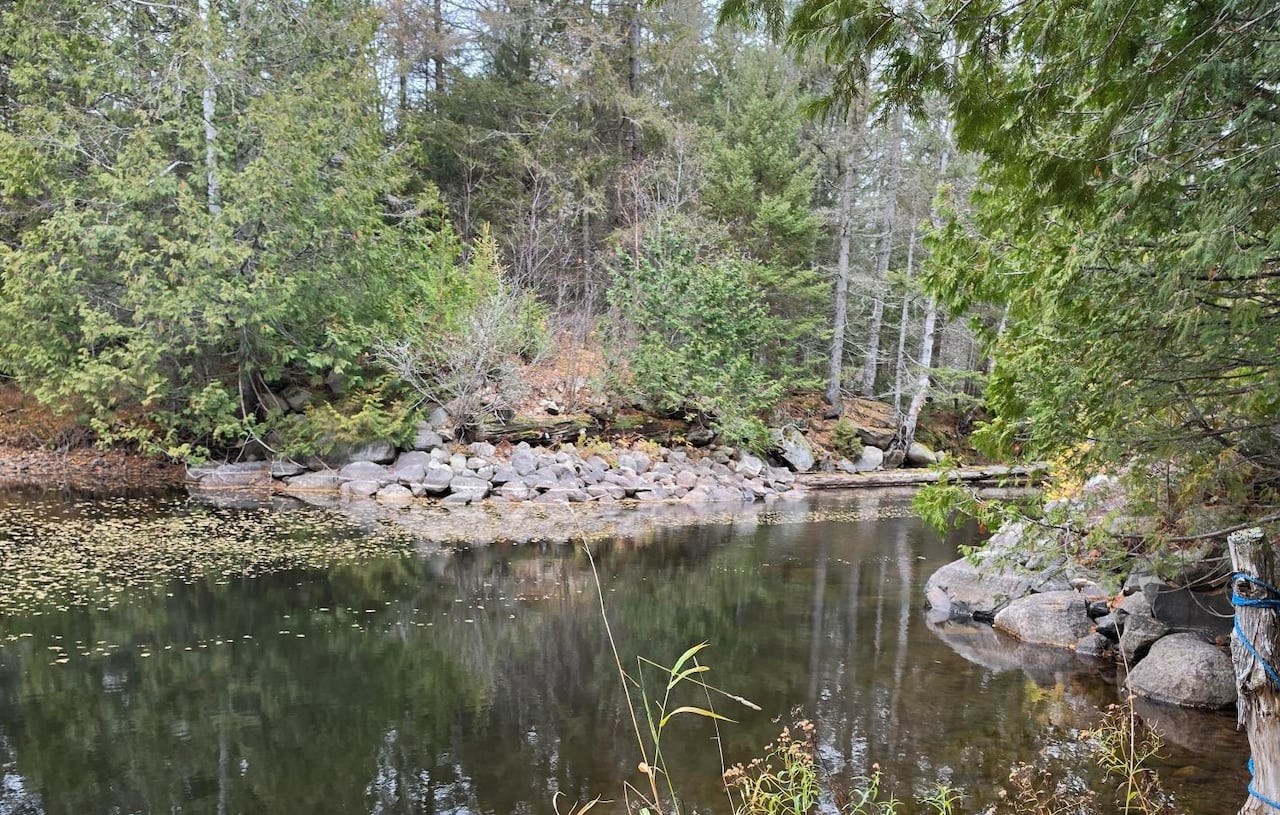
Every fall, Jeremy Coulis and his friends look forward to hunting moose north of Aubrey Falls. (Submitted by Jeremy Coulis)
With the decline in tags issued in recent years, Coulis has also observed a significant decrease in the number of camps and hunters in the wilderness.
When asked for his thoughts on the lack of recovery in moose numbers, Coulis expressed concerns regarding forestry companies that apply herbicides to forests.
These companies aim to eliminate broadleaf plants that compete with coniferous species like spruce and pine, which are harvested for timber—yet environmentalists have raised concerns about this practice in recent years.
“Quebec has shown a considerable rebound in their moose population after ceasing spraying,” Coulis noted. “However, Ontario shows no inclination to halt this practice.”
Tag: rewrite-pending
