
As wildfires rage in Canada, the United States, and Europe, there is growing pressure on the manufacturer of the Canadair “Super Scooper” water bombers to ramp up production. Calgary-based De Havilland has decided to revive production of the Canadair after acquiring the water bomber program, which was previously handled by Bombardier until 2015.
These iconic aircraft are meticulously crafted by hand, with most of the assembly work taking place in Calgary using components sourced from across Canada. The company announced the revival of the production line in 2022, and progress is evident as the first two aircraft are well underway, set to be completed and delivered by early 2028.
Canadian and European leaders are eager to secure these aircraft due to current shortages and aging fleets. The Canadair amphibious firefighting plane, first introduced in the 1960s, was specifically designed for combating large wildfires in the Canadian wilderness. Its specialized design enables it to maneuver through narrow canyons at low altitudes and swiftly scoop up thousands of liters of water from lakes, rivers, and oceans.
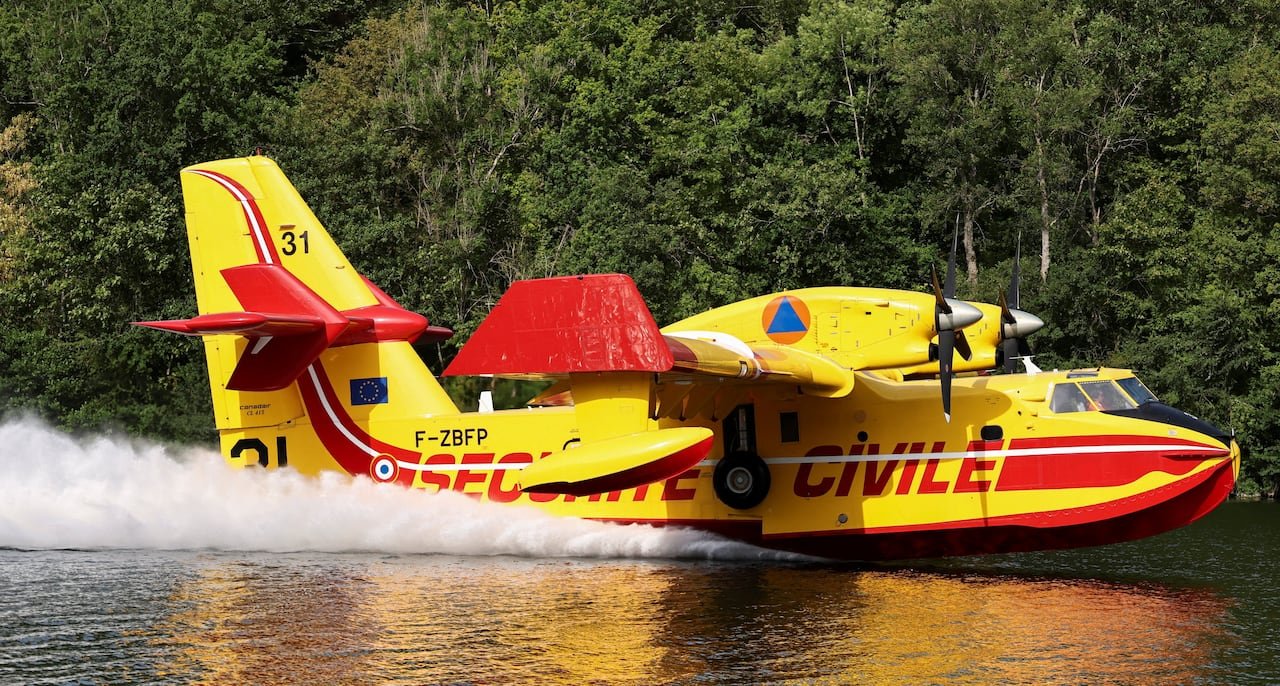
Unlike other aircraft that are modified for firefighting purposes, the Canadair planes are purpose-built for this task. The upcoming version of the Super Scooper will closely resemble its predecessors, featuring a 30-meter wingspan, a 6,100-liter water tank, and the recognizable yellow and red exterior.
Growing Pressure
In France and Spain, opposition figures have recently criticized their governments for the insufficient number of operational Canadairs, citing a lack of readiness to combat wildfires and extreme weather events. Provincial leaders in Canada, like Manitoba’s Wab Kinew, have also expressed frustration over the shortage of new water bombers for consecutive summers, emphasizing the urgent need for more resources.
De Havilland is feeling the heat to meet the surging demand for Canadair planes. “We understand the importance of this aircraft not just for Canada but globally. We are committed to fulfilling our responsibility to our customers and the communities they serve,” stated Neil Sweeney, the company’s vice president of corporate affairs.
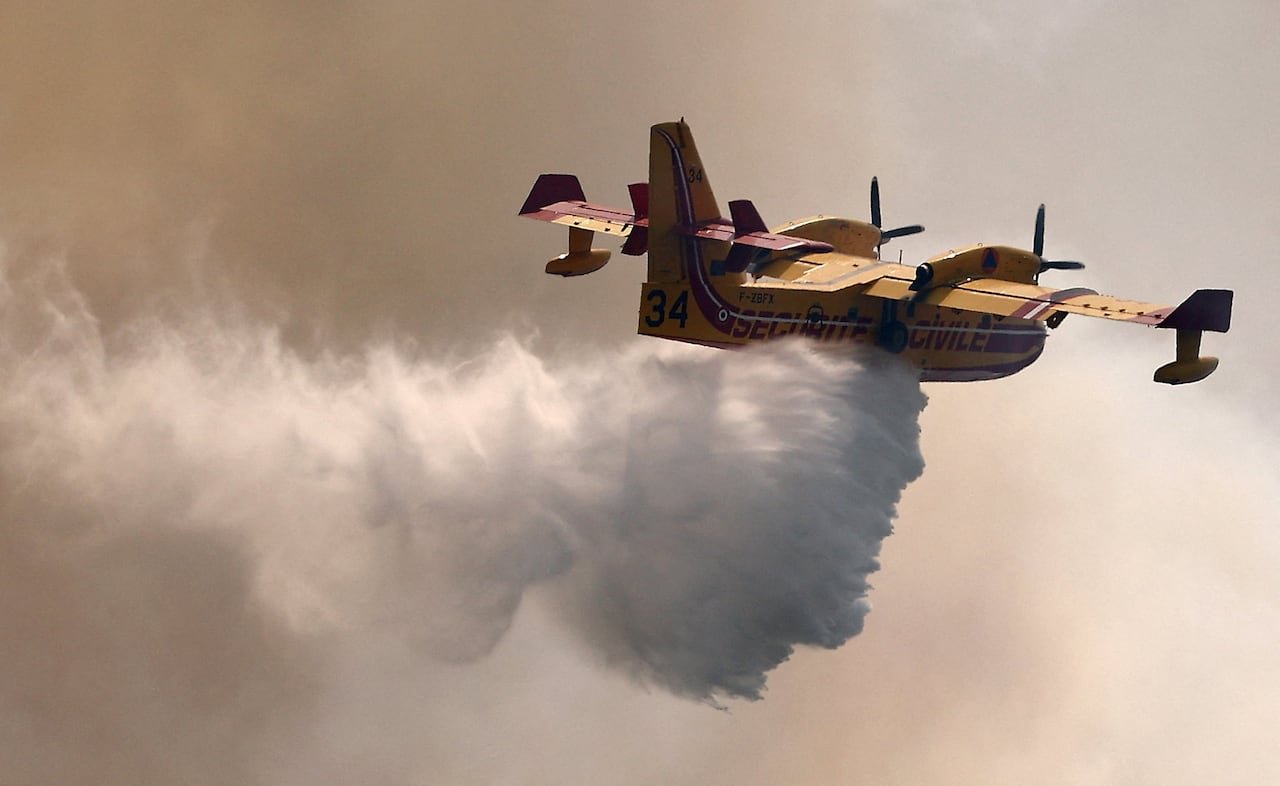
Due to the overwhelming demand, De Havilland is contemplating the possibility of establishing a second production line while working on the current orders. Alberta Premier Danielle Smith is collaborating with provincial and federal authorities to facilitate a substantial order from Ottawa, which would provide the necessary certainty to initiate the construction of a new production line.
<p
